


Koparkhairane, Navi Mumbai
Life Cycle of a Termite
By Admin - July 16, 2024

Life Cycle of a Termite
Termites are small insects that “eat silently,” they are capable of destroying wood and causing significant structural damage. Pest management becomes effective if their life cycle is understood. This article, therefore, explores in detail the different phases through which a termite can pass.
- Egg–
The life cycle of termites starts with an egg. In her lifespan, a queen termite can lay tons of eggs. These ovate-shaped eggs are minute and white. The female lays them where thereafter they are cared for by worker termites. Depending on the species and conditions prevailing around the area, incubation period for termite eggs usually lasts about few weeks.
2) Larva–
Once hatched, these eggs produce larvae. Termite larvae resemble adults but much smaller, with undeveloped features and white coloration. They are fed upon by workers as well as being groomed. With time, they go through multiple molts while shedding their old exoskeletons so as to become larger in size. At this stage in life, larva will differentiate into either workers, soldiers or reproductives depending on what is required by colony.
3) Nymph–
Larvae develop into nymphs among several termite species – these are young termites that look like adults but do not have full development yet ahead of them. Nymphs molt several times before becoming matured adults of their respective castes within the colony: at this point reproductive nymphs will start growing wings.

4) Adult–
Workers represent the majority caste in a termite colony; there are also soldiers and reproductives (alates). Each caste has its specific responsibilities in the colony.
Workers: These are the majority caste as they perform tasks like foraging, feeding other termites and maintaining the nest Workers are blind and wingless.
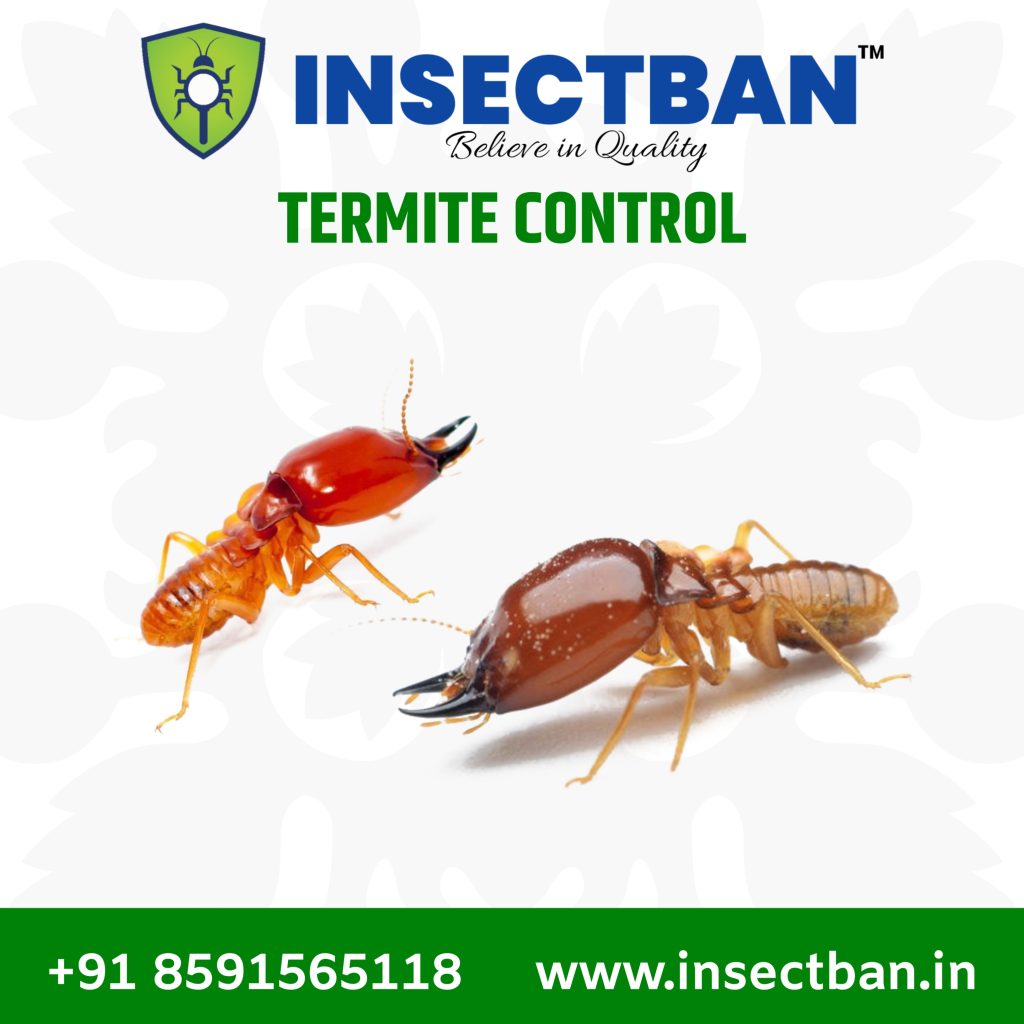
Soldiers: They protect colonies from enemies by defending them. Their head size is large and they have strong mandibles or jaws. Soldiers also lack eyes and wings.
Reproductives (Alates): They produce offspring which establish new colonies. These are winged only members of a termite society that leave it to start another one. Alates lose their wings after mating flight and become new kings and queens of other colonies.
5) Lifespan
The lifespan of termites differs among castes; workers and soldiers live between 1 – 2 years while reproductive termites i.e., queens can live for over a decade. The main function of queen termites is to lay eggs in order to help colonies grow, survive and multiply themselves.
6) Risks And Control
Termites feed on wood and other materials containing cellulose, causing serious structural damages to buildings. Other measures include regular inspections, moisture control, use of termicides etc. To manage or prevent termite infestations usually required professional pest control services.
It is essential to understand the life cycle of termites so that effective control measures can be put in place. Regular monitoring along with proactive treatment can help safeguard structures against termite ravages.
From this summary together with illustrations we have described how termites pass through their life cycle stages. If you suspect the presence of pests like termites, seeking professional pest control services is the best decision to make at such time.